
Hoping to Learn About Criminal Defense Attorneys Near Lower Rio Grande Valley?
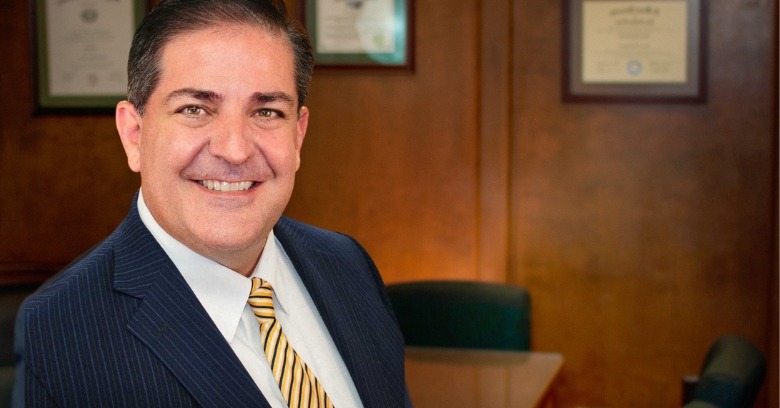
Reynaldo Garza, III lays out how rights and procedure fit together in state and federal court, so each step makes more sense
Phone 956-300-2260 to ask the questions you have been holding onto
Rights That Begin at the Moment of Arrest
From the moment of arrest a person can decline to answer questions about the events and can ask to speak with a lawyer, and asking for a lawyer is not an admission of anything. Courts later examine whether a statement was given voluntarily and whether warnings came at the right time, and recordings are often key. These protections exist so that a person is not left alone against the government, and they are the same rules a lawyer works from. Whether you are researching Criminal Defense Attorneys, write down everything you remember about the arrest while it is fresh.
Release Before Trial
The constitution bars excessive bail, which means the amount and terms set for release should be reasonable in light of the charge and the person, and the paper that sets bail explains the terms. Some people are released on conditions alone, with no payment required, depending on the charge, and the terms apply right away. Release can involve a cash payment, a bond posted through a company, or a personal promise, and each carries different obligations, and the paperwork should be read in full. Conditions of release are rules, and following them is what keeps a person out of custody during the case, and extra care protects the person. While you are looking into Criminal Defense Attorneys, start with the terms of release already in place.
Counsel at Every Important Stage
A person charged with a crime has a right to be represented by a lawyer at the important stages of a case, and that right comes from the constitution, and conversations are private within the rules. Before taking a plea, a court asks whether the person understands the charge and the right to a lawyer, and a lawyer can be added at any point. The work includes speaking with witnesses, reviewing recordings, and making sure deadlines are met, and the person is kept informed. If you are reading about Criminal Defense Attorneys, ask how the right to counsel works in the court that has your case.
Statements Before and During Trial
No one can be forced to give evidence against themselves, and that protection applies throughout a criminal case, and it can be raised at any time. A person who has been warned of the right can use it at any point in an interview, and the decision is a serious one. A person who testifies answers questions from both sides under oath, and everything said becomes part of the record, and answers become part of the record. Words typed, posted, or sent outside a courtroom are not covered in the same way and can be gathered as evidence, and a lawyer can explain the risks. Should you be reading about Criminal Defense Attorneys, ask a lawyer before speaking with investigators.
Limits on How Evidence Is Gathered
A search is judged by the facts known to the officer at the time, including what was seen, heard, or smelled, and an emergency can be a recognized exception. Evidence can be challenged through a motion to suppress, which the judge decides before the trial begins, and both sides present arguments. Anyone stopped or searched is better served by staying calm, avoiding an argument, and noting what happens, and video should be saved. Should you be comparing Criminal Defense Attorneys, note whether you gave consent and how.
Evidence, Witnesses, and Fair Process
The state has a duty to share certain evidence with the defense, including material that may help the accused, and missing items are tracked. Written requests and court orders help keep a record of what each side has produced, and the judge sets deadlines. Witnesses generally must appear and be asked questions by the defense, rather than the state relying on written statements alone, and the rules differ in some situations. Each right has exceptions and details that a lawyer can explain, and they are part of a fair trial. If you are comparing Criminal Defense Attorneys, remember that learning the case takes time.
A Fair Trial
A person accused of a crime is presumed not guilty until the state proves each element beyond a reasonable doubt, and the person may decide whether to testify. A speedy trial is a recognized right in principle, though the courts weigh the reasons for any delay in each case, and a lawyer tracks the schedule. A trial ends when the jury or judge reaches a decision, and if the verdict is not guilty the case is over, and the schedule is shared. While you are learning about Criminal Defense Attorneys, remember that a jury decides the facts, not the judge, in most jury trials.
When the Case Is Federal
Many federal cases start with a complaint, an indictment from a grand jury, or a summons to appear in federal court, and discovery follows a separate set of rules. Federal sentencing begins with written guidelines that produce a range based on the offense and the person's history, and each side can argue about the figures. A federal conviction can be appealed to a court of appeals, but the deadlines are short and the rules are strict, and the standard of review matters. Should you be comparing Criminal Defense Attorneys, learn how detention hearings work.
The Law's Limits on Punishment
The legislature sets a range for punishment, and the constitution bars cruel and unusual punishment, which limits what a court may order, and a plea agreement can set a recommended sentence. Probation, parole, and supervised release let a person serve part of a sentence under supervision, each with its own rules, and the length is set at the start. Many people are surprised to learn how much of a case continues after sentencing, including appeals, supervision, and questions about records, and the clerk can confirm what is owed. As you are learning about Criminal Defense Attorneys, keep in mind that sentencing is one part of a longer process.
Talking With Reynaldo Garza, III About Your Rights
Anyone in Lower Rio Grande Valley who is researching Criminal Defense Attorneys can phone 956-300-2260 and ask Reynaldo Garza, III what happens at each stage. Having the court, the offense name, and the date of the next setting written down is a good habit, so the conversation can start with the facts.







